8 Ad Free Radio Alternatives Worth Trying
The moment a great chorus gets cut off by a loud advert is the moment many listeners reach for ad-free radio alternatives. Whether you are powering through emails, driving home, cooking for friends or simply putting your feet up, music works best when it keeps the mood moving. The good news is that there are plenty of ways to enjoy more songs and fewer interruptions – but the right choice depends on how you listen.
For some people, a simple online station with a familiar playlist is all they need. Others want complete control over every track, offline listening or a carefully built queue for a long journey. Here is how the main options compare, along with a few things worth knowing before you press play.
What do ad-free radio alternatives really mean?
“Ad free” can mean different things depending on the service. Some platforms offer no commercial breaks at all, while others have a paid tier that removes adverts but may still include station announcements, presenter links or recommendations between songs. A traditional radio station may also have less advertising at certain times, but that is not quite the same as guaranteed ad-free listening.
It is also worth separating radio from on-demand music. Radio is about letting someone else set the flow: you tune in, hear a mix of tracks and enjoy the surprise of what comes next. On-demand streaming gives you more control, letting you choose an album, artist or playlist whenever you fancy it. Neither is automatically better. It comes down to whether you want effortless company or total command of the soundtrack.
1. Music streaming subscriptions
A premium music subscription is the clearest option for listeners who want to avoid adverts altogether. You can pick a favourite artist, build playlists for work or weekends, skip songs and usually download music for offline listening. It is particularly handy for flights, train journeys with patchy signal and family holidays where mobile data is precious.
The trade-off is cost. Monthly subscriptions add up, especially if several people in the household use their own accounts. Choice can also become a nuisance rather than a benefit. If you have ever spent ten minutes scrolling through playlists only to hear nothing, you will know that more music is not always more relaxing.
Streaming subscriptions suit listeners who enjoy choosing the exact mood. Think 90s singalongs for a Saturday clean-up, mellow acoustic tracks for an evening in, or a fresh mix for the gym.
2. Online radio stations with more music, less talk
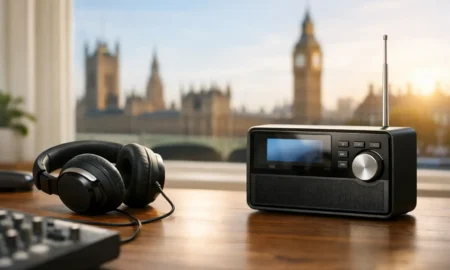
If you like radio’s easy-going feel but could do without long conversations and constant interruptions, music-focused online stations are a strong alternative. They bring the familiar rhythm of radio – a broad mix, no need to plan a playlist, songs you know – while keeping the focus firmly on the music.
This is often the best fit for offices, shops, kitchens and living rooms. You can put it on and get on with your day, without needing to become the household DJ. Look for stations that are clear about their music policy and play across several decades, rather than concentrating on one narrow genre.
Halo FM, for example, is built around non-stop hits from the 1970s through to today, giving listeners an upbeat soundtrack without talk-heavy programming. It is the kind of choice that works when you want the songs to do the talking.
There can still be the occasional station ident, feature or commercial message on ad-supported stations, so check expectations before listening. The advantage is that you get the convenience of radio without the effort of curating every next track.
3. Curated playlists on free platforms
Free streaming services often include adverts, but their ready-made playlists can still be useful when you want a specific sound without making selections yourself. Search for decades, genres, party themes, easy listening or focus music, and you will find plenty to try.
This route is ideal for occasional listening, particularly if you do not want another monthly bill. The catch is that adverts may appear at unpredictable moments and skip limits can make it harder to move past a track that is not landing. For background listening, that may be fine. For a dinner party or a long drive, those breaks can feel more intrusive.
A useful middle ground is to make a short playlist of your most-played songs and save it for the moments when you want a reliable run of favourites. You will still hear advertising on a free service, but you will spend less time hunting for music.
4. Digital radio and specialist stations
Digital radio has made it easier to find stations designed around particular eras and styles. If you know you want 80s pop, classic soul, indie anthems or smooth evening tracks, a specialist station can feel far more satisfying than a broad mainstream channel.
The benefit is personality. A well-programmed specialist station understands that certain songs belong together and can create a real sense of occasion. The downside is repetition. With a smaller music library, you may hear the same big hits more often than you would on a wider station.
Digital radio is a sensible choice if you enjoy a presenter-led format and want to discover stations beyond the usual presets. Just remember that most commercial stations still rely on advertising, so it is better viewed as an alternative to predictable playlists than a guaranteed ad-free solution.
5. Your own music library
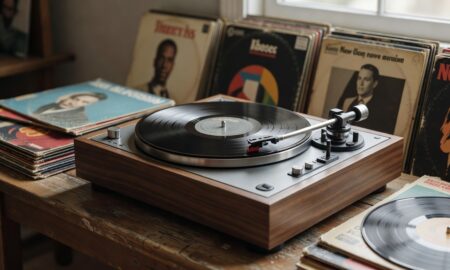
There is something wonderfully straightforward about playing music you already own. CDs, vinyl, downloaded albums and old digital collections do not interrupt you with adverts, algorithm prompts or subscription reminders. They can also bring back albums that have disappeared from streaming services or tracks that mean something personal to you.
This option takes a little organisation. You need a player, speakers and time to sort your collection, and it is less spontaneous if you are bored of what you own. Still, for people who love albums from beginning to end, it offers a listening experience that no algorithm can quite copy.
Try keeping a few go-to collections ready for different moments: upbeat classics for the morning, relaxed records for Sunday afternoons and a proper feel-good set for visitors. It turns choosing music into a pleasure rather than a chore.
Choosing between ad free radio alternatives
The best option is the one that fits naturally into your routine. If you commute through areas with unreliable reception, offline downloads may be worth paying for. If you work from home and want a cheerful backdrop without constantly touching your phone, a music-led online station makes more sense. If you are hosting friends, a playlist gives you control over the vibe.
Sound quality matters too, although it is easy to overlook. A decent Bluetooth speaker or smart speaker can make a familiar song feel brand new, while a weak phone speaker can flatten even the biggest chorus. Check your data allowance if you stream on the move, and make sure any service you use is licensed for business playback if music is playing in a workplace or customer-facing space.
Most importantly, do not feel tied to one way of listening. Radio is brilliant when you want a shared, effortless flow. Streaming comes into its own when you want control. Your own collection is perfect when you want to reconnect with the records that have stayed with you for years.
The best soundtrack is not the one with the most features. It is the one that keeps the songs coming, lifts the room and lets you turn up the volume when your favourite track arrives.