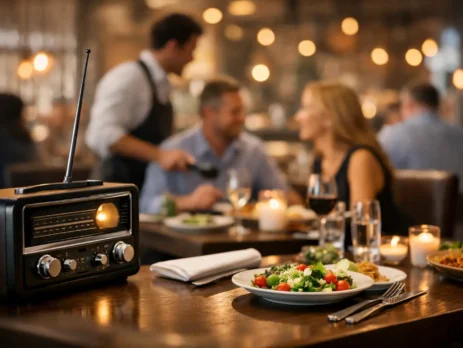
Restaurant Radio Promotion That Fills Tables
The lunch rush is over, the evening bookings are looking a little light, and there is a brilliant midweek offer waiting to be noticed. That is where restaurant radio promotion can earn its place on the menu. A well-timed radio advert puts your restaurant in front of people while they are driving home, planning the weekend, working from the kitchen table or deciding what to do for tea.
For restaurants, pubs, cafés and takeaways, radio is not simply about getting your name heard. It is about creating an appetite at the right moment. The most memorable campaigns pair a warm, recognisable message with a reason to visit now, then repeat it often enough that your venue becomes the obvious choice when listeners fancy a night out.
Why restaurant radio promotion still works
People do not always search for somewhere to eat before choosing where to go. Often, the decision starts with a passing thought: “We should go out this Friday,” or “I cannot face cooking tonight.” Radio reaches listeners in those everyday moments, with music creating a positive mood around your message.
That mood matters. A restaurant advert placed between familiar, feel-good songs can feel like a friendly recommendation rather than another task on a busy screen. It is particularly effective for occasions where speed and familiarity win: a Sunday roast, a birthday meal, early-evening drinks, a pizza night, a pre-theatre table or a local curry after a long week.
Digital radio advertising also gives smaller hospitality businesses a practical way to reach audiences beyond traditional local FM coverage. An online station can be heard at home, at work and on the move, while a focused campaign can speak to listeners in the areas you serve. The exact reach will depend on the station, schedule and targeting options, so ask clear questions before booking.
Radio will not replace a strong website, good reviews or a reliable booking process. If a listener cannot quickly find your opening times, menu or phone number, the advert has done its job but the customer journey has broken down. Think of radio as the spark, with your social channels, search listing and front-of-house experience ready to carry the flame.
Start with the table you want to fill
The most effective campaigns are specific. “Come and try our food” may be true, but it gives people little reason to act. Start by identifying the quieter service, day or customer group you want to attract.
Perhaps your town-centre bistro needs more Thursday covers. Maybe your family pub has a great children-eat-for-less offer during school holidays. A neighbourhood restaurant could be launching a new fixed-price lunch, while a takeaway may want to own Friday night. Each has a different audience, timing and call to action.
It also helps to match the campaign to how people make decisions. A same-day offer needs short, frequent spots close to the time diners can use it. A Christmas party menu, Mother’s Day booking window or wedding open evening needs a longer runway, allowing listeners to hear the message several times before they commit.
Before the advert is written, be able to complete one sentence: “We want people to book or visit us for ___ because ___.” If that sentence feels vague, the message will too.
Build an advert people can picture
A 20- or 30-second radio advert is not a menu reading. It should give listeners one clear image, one feeling and one next step. The sound of a lively dining room, the mention of a sizzling grill or the promise of a relaxed booth with friends can do more than a long list of ingredients.
Lead with what makes your place worth choosing. It could be hand-stretched pizzas, proper pub classics, waterfront views, independent local character or a generous set menu. Then add a useful detail such as the location, the offer, when it applies and how to book.
Keep language conversational. Say your venue name early and again near the end if it fits naturally. Avoid cramming in every dietary option, every opening hour and five separate deals. Listeners cannot pause a live radio spot to take notes, so one strong reason to visit is far more likely to stick.
Music and voice should fit the restaurant, not just the latest advertising trend. A high-energy track may suit a late-night burger bar, while a cosy country inn may need a warmer pace. On a station built around non-stop hits, an upbeat, friendly delivery can sit comfortably alongside the music without sounding out of place. Halo FM’s familiar mix of classics and current favourites, for example, gives a restaurant message a bright setting for reaching adults who enjoy a good night out.
Make the offer easy to understand
An offer can lift response, but only when it is simple enough to repeat from memory. “Two courses for £18.95 every Tuesday to Thursday before 6.30pm” is clear. “A selection of discounts across selected items, subject to availability” is not likely to get anyone reaching for their coat.
You do not need to discount everything. Restaurants with a strong reputation may get better results by promoting a new menu, a chef’s special event or an experience that feels special. Discounting can fill seats quickly, but it can also attract bargain hunters who may not return at full price. If margins are tight, add value instead: a complimentary drink with a set menu, a sharing starter for early bookings or a fixed-price package that protects your average spend.
Be precise about terms. If an offer is available only on selected days, only with a booking or only for parties of a certain size, say so. Clear promotion protects your team from awkward conversations at the till and makes the experience feel fair from the start.
Choose frequency over a one-off shout
Radio works through repetition. A listener may hear your advert on Monday and forget it, notice it again on Wednesday and book a table on Friday. One isolated spot can raise awareness, but a steady run gives your restaurant a chance to become familiar.
That does not mean every campaign needs to run forever. A short burst can work well for a launch, a bank holiday or a limited event, especially if it includes enough plays across key listening times. For an always-on message about your weekly food offer, a regular schedule may make more sense.
The right balance depends on your budget and your goal. If you have limited spend, focus on a tighter local area, a defined promotion period and a message that can run repeatedly. Spreading a small budget across too many weeks often means not enough people hear it often enough to remember it.
Think about the moments that fit your venue. Breakfast and coffee spots may benefit from morning listening. Lunch promotions can work before midday. Dinner campaigns often suit late afternoon and early evening, when people are deciding whether to cook, order in or make plans. Ask the station for audience and scheduling insight, but bring your own knowledge of when your tables are empty.
Give listeners one simple next move
A great restaurant radio advert should not leave people wondering what to do next. Choose one action: book online, call, walk in, quote a campaign phrase or visit on a named day. Too many instructions dilute the message.
For a trackable campaign, use something distinctive. This could be a radio-only code, a named offer or a specific booking note such as “mention Halo FM when you book”. Train your team to record it consistently. If customers phone after hearing the advert, staff can simply ask how they found you and add the answer to the booking notes.
Do not judge results solely by voucher redemptions. Radio also builds familiarity, and not every diner will mention the advert. Watch bookings, covers, calls, website visits and sales during the campaign against comparable weeks. Look for changes by daypart too. If Thursday bookings rise but Saturday does not move, the campaign may be doing exactly what it was designed to do.
Keep the experience as good as the advert
Promotion can fill tables, but service brings people back. Check that the advertised dish is available, the team knows the offer and your booking system has capacity before the campaign starts. If you are promoting a lively bottomless brunch, make sure the venue can deliver that atmosphere without slowing down every other guest.
It is worth giving staff a quick briefing on the campaign: the dates, the wording, the terms and what to say if diners ask about it. That small bit of organisation keeps the handover from radio message to real-world hospitality smooth and cheerful.
The best restaurant radio promotion feels less like an interruption and more like an invitation. Give listeners a deliciously clear reason to make plans, play the message often enough to be remembered, and make every guest who walks through the door glad they turned up the volume.