The Magic of Music: From the 70s to Today’s Hits
The Evolution of Music: A Journey Through the Decades
Music has always been a significant part of human culture. From the rhythmic beats of ancient tribes to the chart-topping hits of today, music marks the passage of time and the evolution of society. The 70s laid a foundation for many genres that we still cherish today. Let’s delve into how music has evolved through the decades and continues to influence our lives.
The 1970s: A Decade of Diversity and Experimentation
The 70s were a time of experimentation and diversity in music. With the rise of genres like disco, punk rock, and funk, this decade offered something for everyone. Artists like David Bowie and Led Zeppelin pushed creative boundaries, influencing countless musicians who followed.
Disco emerged as a dominant force, with artists like Donna Summer and the Bee Gees leading the charge. The genre’s infectious beats and danceable grooves made it a staple in clubs worldwide. Meanwhile, punk rock bands like The Ramones and The Sex Pistols introduced a raw, unfiltered sound that resonated with youth culture.
The 1980s: The Rise of Pop and Digital Music
The 80s saw the rise of pop music, characterized by catchy melodies and widespread appeal. Artists like Michael Jackson, Madonna, and Prince became cultural icons, their music videos setting trends on the newly launched MTV.
Technological advancements also played a significant role, as the introduction of synthesizers and drum machines transformed music production. The digital revolution began, paving the way for new sounds and styles. The decade’s music was not only about entertainment but also about innovation.
The 1990s: Grunge, Hip-Hop, and Globalization
The 90s were marked by the emergence of grunge and the mainstream breakthrough of hip-hop. Bands like Nirvana and Pearl Jam brought alternative rock to the forefront, capturing the angst of a generation. Hip-hop, with artists like Tupac and Notorious B.I.G., told the stories of urban life and became a powerful force in music.
Globalization started to play a more significant role as well, with world music influences becoming more prevalent. The 90s were a time of breaking down barriers, both musically and culturally.
The 2000s: The Digital Age and the Rise of Streaming
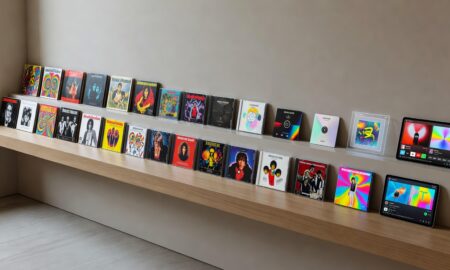
The new millennium ushered in the digital age of music. With the rise of MP3s and file-sharing services, music became more accessible than ever. This era saw the decline of physical media and the rise of digital downloads.
Streaming platforms like Spotify and Apple Music emerged, transforming how we consume music. Artists adapted to these changes, finding new ways to connect with fans and distribute their work globally.
Today: A Reflection of the Past and an Eye to the Future
Today’s music is a reflection of the past, with artists drawing inspiration from previous decades while also looking to the future. Genres continue to evolve, with artists like Billie Eilish and The Weeknd pushing boundaries and redefining what music can be.
Technology continues to shape music, with AI and virtual reality offering new possibilities for creation and consumption. As we look to the future, one thing remains clear: music will always be an integral part of our lives, connecting us across generations and cultures.
Conclusion: The Timeless Power of Music
Music is a powerful force that transcends time and culture. From the 70s to today, it has evolved and adapted, reflecting and shaping society. As we continue to embrace new technologies and genres, music will undoubtedly remain a vital part of our human experience.
Join us at Halo Fm as we celebrate the hits from the 70s to today. Tune in and let the music take you on a journey through time.