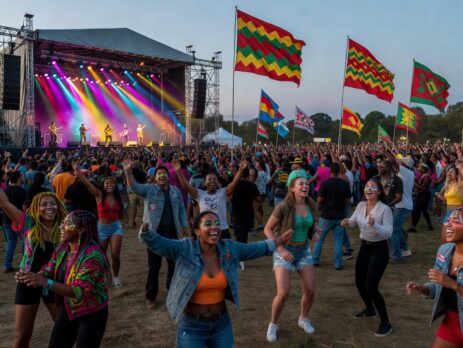
Exploring Iconic Music Festivals: A Journey Through Time
The Birth of Music Festivals
In the late 1960s and early 1970s, music festivals began to emerge as a staple in the world of music and culture. These events offered a unique platform for artists to perform live, often in outdoor settings, and brought together people from various backgrounds to celebrate music.
Woodstock: The Festival That Started It All
Arguably the most iconic festival of all time, Woodstock took place in August 1969 in Bethel, New York. With over 400,000 attendees, it became a symbol of the counterculture movement and showcased legendary performances by artists such as Jimi Hendrix, Janis Joplin, and The Who.
The Evolution of Music Festivals
As the decades progressed, music festivals evolved in both scope and scale. The 1980s and 1990s saw the rise of specialized festivals catering to specific genres and audiences.
The Rise of Niche Festivals
In the 1980s, festivals began to diversify, focusing on specific genres like punk, reggae, and electronic music. This period saw the emergence of events like Glastonbury in the UK, which started as a small gathering and grew into one of the largest music festivals in the world.
Modern Music Festivals: A Global Phenomenon
Today, music festivals are a global phenomenon, attracting millions of attendees each year. Events like Coachella, Tomorrowland, and Lollapalooza have become cultural landmarks, known for their diverse lineups and immersive experiences.
Technology and Music Festivals
Technology has played a significant role in shaping modern music festivals. With live streaming, social media, and virtual reality, fans can experience festivals from anywhere in the world, further expanding their reach and influence.
The Cultural Impact of Music Festivals
Music festivals have a profound impact on culture and society. They foster a sense of community, promote cultural exchange, and often serve as platforms for social and political movements.
A Platform for Change
Throughout history, music festivals have been used as platforms for social change. From Woodstock’s anti-war message to modern festivals’ focus on sustainability and inclusivity, these events continue to influence public discourse.
Conclusion: The Future of Music Festivals
As we look to the future, music festivals will likely continue to adapt and innovate. With a focus on sustainability, diversity, and technological advancements, these events will remain a vital part of the music industry and cultural landscape.
Join us at Halo FM as we explore the world of music and keep you updated on the latest festival news and trends. Stay tuned for more exciting content!