How Music Unites Us: The Universal Language of Melody
Introduction
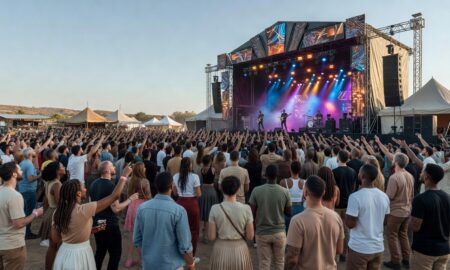
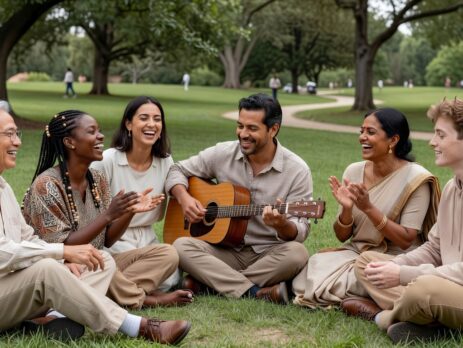
Music is a universal language that transcends barriers, connecting people from all walks of life. At Halo Fm, we bring you non-stop hits from the 70s to today, celebrating the power of music to unite us. In this blog post, we will explore how music serves as a bridge across cultures and generations, fostering a sense of unity and understanding.
The Universal Language of Music
Music is often referred to as the universal language because it speaks to everyone, regardless of their background or native tongue. From the rhythmic beats of African drums to the soothing strings of a Japanese koto, music resonates with our emotions and tells stories that words alone cannot.
The Emotional Connection
One of the most powerful aspects of music is its ability to evoke emotions. A single melody can bring tears to our eyes or fill us with joy. This emotional connection is what makes music so relatable and why it has the power to unite us.
Breaking Cultural Barriers
Music has the unique ability to transcend cultural barriers. It allows us to experience and appreciate different cultures, fostering a sense of understanding and acceptance. Whether it’s the intricate rhythms of Indian classical music or the vibrant sounds of Latin salsa, music introduces us to new worlds.
Music Through the Decades
Music has evolved over the decades, reflecting the changing times and societal shifts. At Halo Fm, we celebrate this evolution by playing hits from the 70s to today. Let’s take a journey through the decades and see how music has brought people together.
The 1970s: A Time of Change
The 1970s was a decade of change and experimentation in music. Genres like disco, punk rock, and reggae emerged, each bringing people together in their unique ways. The disco movement, in particular, was a symbol of freedom and self-expression, with hits like Donna Summer’s ‘I Feel Love’ uniting people on the dance floor.
The 1980s: The Rise of Pop
The 1980s saw the rise of pop music, with iconic artists like Michael Jackson and Madonna dominating the charts. Pop music became a global phenomenon, with its catchy tunes and relatable lyrics resonating with audiences worldwide. This decade highlighted the power of music to unite people through shared experiences and emotions.
The 1990s: Diversification of Sound
The 1990s was a decade of diversification, with the emergence of genres such as grunge, hip-hop, and electronic dance music. These genres not only provided a voice for different communities but also brought people together in new ways. For example, the rise of hip-hop culture in the 90s united individuals from diverse backgrounds, using music as a platform for storytelling and expression.
The Role of Music in Social Movements
Music has always played a significant role in social movements, serving as a medium for protest and change. From civil rights anthems to anti-war songs, music has been a powerful tool for rallying people together and calling for action.
Civil Rights Movement
During the civil rights movement, music was a crucial element in uniting people for a common cause. Songs like ‘We Shall Overcome’ became anthems of hope and solidarity, inspiring individuals to fight for equality and justice.
The Anti-War Movement
In the 1960s and 70s, the anti-war movement used music as a form of protest against the Vietnam War. Artists like Bob Dylan and John Lennon wrote songs that captured the sentiments of the time, urging people to come together and demand peace.
Conclusion
Music is a powerful force that unites us all. It transcends cultural, linguistic, and generational barriers, bringing people together in a shared experience. At Halo Fm, we celebrate the timeless appeal of music and its ability to connect us. Tune in to our station and let the music unite us all. Share your favorite song that unites people in the comments below!