The Evolution of Music Production: From Analog to Digital
Introduction
Music production has undergone a dramatic transformation over the decades, evolving from analog techniques to the cutting-edge digital technology we see today. This journey has not only altered the way music is created but also how it is consumed. In this blog post, we will explore the evolution of music production, highlight key technological advancements, and discuss how these changes have influenced the hits from the 70s to today.
The Analog Era: Laying the Foundation
The Birth of Multitrack Recording
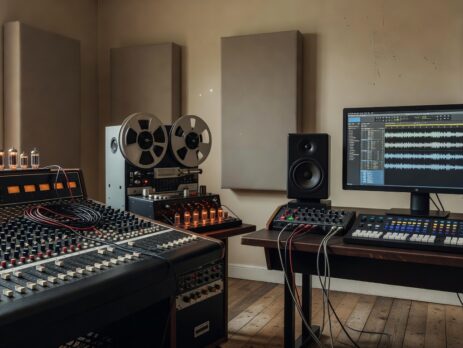
In the early days of music production, sound engineers relied on a limited set of tools to capture and manipulate sound. The introduction of multitrack recording in the 1950s marked a significant milestone, allowing producers to record different instruments separately and mix them together later. This innovation paved the way for more complex and polished recordings.
Iconic Studios and Producers
Legendary studios like Abbey Road and producers such as George Martin played crucial roles in defining the sound of the 60s and 70s. These professionals pushed the boundaries of what was possible with analog equipment, experimenting with tape loops, reverb chambers, and other techniques to create iconic sounds that still resonate today.
The Transition to Digital: A New Era
The Rise of Digital Audio Workstations (DAWs)
The late 20th century saw a shift from analog to digital as Digital Audio Workstations (DAWs) emerged. These software-based systems provided unprecedented flexibility, enabling musicians and producers to edit, mix, and master tracks entirely on computers. This revolutionized the music production process, making high-quality production accessible to more people.
Sampling and Synthesizers
Digital technology also introduced sampling and synthesizers, allowing producers to create entirely new sounds and textures. These tools became staples in genres like hip-hop and electronic music, driving the development of new musical styles and influencing mainstream pop music.
Modern Music Production: The Digital Revolution
Cloud-Based Collaboration
Today’s music production is characterized by global collaboration, thanks to cloud-based platforms that allow artists to work together remotely. Producers can share files, receive feedback, and make changes in real-time, breaking down geographical barriers and fostering creativity.
AI and Machine Learning in Music
Artificial Intelligence and Machine Learning are beginning to play a significant role in music production. These technologies can analyze vast amounts of data to identify trends, suggest chord progressions, and even compose music. While still in its infancy, AI has the potential to revolutionize how music is created and consumed.
The Impact of Technological Advancements on Music
Democratization of Music Production
One of the most significant impacts of digital technology is the democratization of music production. Aspiring musicians now have access to powerful tools at a fraction of the cost, allowing for a more diverse range of voices and styles in the music industry.
Challenges and Opportunities
While technology has opened many doors, it also presents challenges, such as the oversaturation of the market and the struggle to stand out in a sea of content. However, it also offers opportunities for innovation and experimentation, pushing the boundaries of what music can be.
Conclusion
The evolution of music production from analog to digital has fundamentally changed the landscape of the music industry. As technology continues to advance, music production will likely undergo further transformations, offering endless possibilities for creativity and expression. At Halo FM, we celebrate this rich history and look forward to the future of music. Stay tuned for more insights and hit tracks from the 70s to today.
Join us in this sonic journey and share your thoughts in the comments below. What do you think the future holds for music production?