Unveiling Iconic Music Eras: A Journey Through Time
Music has always been an integral part of human culture, reflecting the social, political, and technological changes of its time. From the vibrant disco beats of the 70s to today’s genre-blending hits, each era has left an indelible mark on the music world. In this blog post, we’ll take a deep dive into the iconic music eras from the 70s to today, exploring how each decade defined its unique sound and influenced culture.
The 1970s: Disco Fever and Rock Revolution
The 1970s were a time of significant transformation in the music industry. The decade witnessed the birth and rise of disco music, characterized by a steady four-on-the-floor beat, syncopated basslines, and lush orchestration. Iconic disco artists like Donna Summer and the Bee Gees dominated the charts, bringing a dance-centric sound to mainstream audiences. Meanwhile, rock music continued to evolve, with bands like Led Zeppelin and Pink Floyd pushing the boundaries of the genre with their experimental sounds and elaborate live performances.
The Cultural Impact of 70s Music
The music of the 70s was not just about entertainment; it was a reflection of the era’s cultural movements. Disco, for instance, became synonymous with the liberation movements, representing freedom and unity on the dance floor. Rock music, with its rebellious undertones, was often associated with anti-establishment sentiments and became the soundtrack for protests and social change.
The 1980s: The Rise of Pop and MTV
The 1980s marked the beginning of the pop music explosion, with artists like Michael Jackson and Madonna redefining what it meant to be a global superstar. The advent of MTV revolutionized the way music was consumed, giving rise to the music video as a powerful promotional tool. The 80s also saw the emergence of new wave and synth-pop, with bands like Duran Duran and Depeche Mode creating a synth-driven sound that defined the decade.
MTV and the Visual Era of Music
MTV’s launch in 1981 changed the music landscape forever, as visuals became as important as the music itself. Artists had to adapt to this new medium, leading to increasingly creative and elaborate music videos. This era’s emphasis on visuals also paved the way for fashion to become intertwined with music, with artists setting trends that influenced youth culture worldwide.
The 1990s: Grunge, Hip-Hop, and the Digital Revolution
The 1990s were a decade of diversity in music, with the emergence of grunge, hip-hop, and the early stages of the digital revolution. Grunge, characterized by its raw sound and introspective lyrics, became the voice of a disillusioned generation, with bands like Nirvana and Pearl Jam leading the charge. Meanwhile, hip-hop grew from its roots in the streets to dominate the mainstream, with artists like Tupac Shakur and The Notorious B.I.G. becoming cultural icons.
Music Goes Digital
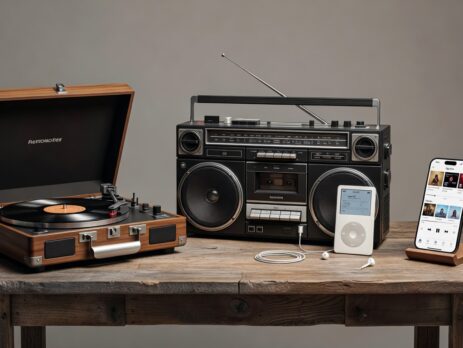
The late 90s saw the beginning of the digital revolution in music, with the rise of MP3 technology and the internet changing how music was distributed and consumed. This shift laid the groundwork for the future of music consumption, paving the way for the streaming era.
The 2000s to Today: A Genre-Blending World
The 21st century has seen unprecedented changes in the music industry, with the rise of digital platforms and streaming services transforming how we listen to music. Today, artists draw from a diverse range of influences, resulting in a genre-blending sound that defies traditional categorization. From the rise of EDM to the global influence of K-pop, today’s music scene is more diverse and accessible than ever.
The Streaming Era
Streaming services like Spotify and Apple Music have revolutionized the music industry, allowing for instant access to millions of songs. This new model has not only changed how artists release music but also how fans discover new sounds. Playlists and algorithms now play a crucial role in shaping listening habits, making music discovery an integral part of the modern music experience.
Conclusion: The Ever-Evolving Soundscape
As we journey through the decades, it’s clear that music is a dynamic and ever-evolving art form, constantly adapting to new trends and technologies. Each era brings its unique flavor, influenced by the cultural and social landscapes of its time. For music enthusiasts, understanding this history enriches the listening experience, providing context and appreciation for the sounds that define our lives. As we look to the future, the possibilities for music are endless, with new technologies and platforms continuing to reshape how we create and consume this universal language.
At Halo Fm, we’re dedicated to bringing you non-stop hits from the 70s to today. Tune in to experience the rich tapestry of music that has shaped generations. Share your favorite music era in the comments below and join the conversation!