Digital Audio Advertising Trends That Work
The right advert can become part of the soundtrack. A local café mentioned before the morning rush, a holiday offer heard while someone is planning the weekend, or a memorable line between favourite songs can stick far better than another ad glimpsed while scrolling. That is why digital audio advertising trends matter to businesses looking to reach people in a more relaxed, engaged moment.
For advertisers, digital radio and streaming offer something especially valuable: an audience that has actively pressed play. For listeners, the best advertising respects the mood. It is relevant, clear and brief enough to let the music keep moving. Here are the shifts shaping audio advertising, and what they mean for UK brands.
Digital audio advertising trends are getting more personal
Traditional radio remains brilliant at building broad awareness, particularly when a familiar station becomes part of someone’s everyday routine. Digital audio adds a useful extra layer: smarter targeting. Advertisers can increasingly choose audiences by location, listening device, time of day and broad interests, rather than sending one message to every listener.
That does not mean every campaign needs to be hyper-specific. A national retailer may want widespread reach, while an independent gym in Leeds may care most about people listening nearby. The point is to match the level of targeting to the job at hand.
Context is often more useful than assumptions
A listener enjoying upbeat music on a weekday morning is in a different frame of mind from someone streaming at home on a Friday evening. Contextual advertising uses those moments without making the message feel intrusive.
A coffee shop can make sense around the breakfast commute. A takeaway, event venue or cinema may be better suited to later listening. A tradesperson could speak to local listeners during the working day. Timing does not replace a good offer, but it gives that offer a better chance of feeling useful.
There is a balance to strike. Overly narrow targeting can limit reach and make campaigns harder to scale. Start with the audience and area that genuinely matter, then give a campaign enough room to build familiarity.
Short, distinctive creative is winning attention
Audio has no banner to hide behind. The listener hears the voice, the music bed, the brand name and the call to action in real time. That makes creative quality central, not an afterthought.
The strongest ads tend to sound natural and easy to follow. They introduce the business quickly, focus on one main message and repeat the essential detail before the end. Trying to cram five offers, three locations and a lengthy web address into 30 seconds is a fast way to lose attention.
A recognisable sonic touch can help too. It might be a short musical sting, a warm voice or a simple phrase used consistently across campaigns. Think of the way a familiar chorus can take you straight back to a particular time. A good audio identity aims for that same instant recognition, without becoming irritating.
For a local business, personality can be a real advantage. A friendly, confident read often feels more believable than a script packed with corporate language. Keep the production polished, but let the business sound like itself.
Music-led environments need adverts that respect the flow
People tune in to music stations for company, energy and songs they know. They do not want their listening experience constantly broken up by long, repetitive interruptions. This is where placement, frequency and format matter as much as the wording.
A well-timed message between song sets can feel like a useful recommendation. The same message played too often can create the opposite response, even when the offer is good. Frequency caps and sensible rotation are becoming more common because they protect both campaign performance and listener enjoyment.
This is particularly relevant for stations built around more music and less chatter. Brands benefit from appearing alongside a positive, familiar soundtrack, but they should earn that attention with adverts that are upbeat, concise and relevant.
Audio sponsorships can also offer a softer route into awareness. Supporting a feature, a decade-themed hour or a regular community moment gives a business repeat exposure without asking every spot to do all the work. It depends on the campaign goal: direct-response offers may need a clear immediate action, while a new business may simply need to become a name people recognise.
Measurement is moving beyond “we were on air”
One of the most useful digital audio advertising trends is better measurement. Advertisers increasingly want to know not only how many people could have heard a message, but whether it prompted action.
Depending on the campaign setup, that can include completed listens, reach, frequency, website visits, voucher redemptions, search uplift or enquiries during the campaign period. No single number tells the whole story. A restaurant may care about bookings, while a recruitment firm might value quality applications and a retailer may be focused on footfall.
It is wise to agree the success measure before the campaign begins. If the aim is awareness, judging an advert only by immediate clicks will undersell its value. Audio often works by creating familiarity over time. Someone may hear a brand on Monday, search for it on Thursday and visit at the weekend.
The practical answer is to pair campaign data with real business signals. Ask new customers how they heard about you. Track promotional codes where they make sense. Look at search and direct traffic alongside sales patterns, rather than expecting one dashboard to explain every decision.
Privacy is changing how targeting works
People expect relevance, but they also expect their data to be handled responsibly. As privacy rules, platform policies and audience expectations evolve, advertisers are putting more emphasis on consented data, broad audience groups and contextual placement.
For most local and regional campaigns, this need not be a disadvantage. You rarely need to know every detail about a listener to create a useful message. Location, time, content environment and a clear understanding of the customer can go a long way.
The better long-term approach is to be transparent and respectful. Avoid creative that feels as though it knows too much. Focus instead on the real reason the service might help: convenience, value, a great local experience or a timely offer.
Connected listening is expanding the opportunity
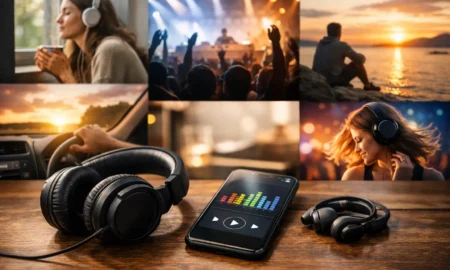
Digital audio is no longer limited to headphones and laptops. Listeners move between phones, smart speakers, connected cars and office computers throughout the day. For advertisers, that creates more chances to be heard in everyday routines.
Each setting calls for slightly different thinking. In a car, a simple message and memorable business name matter because the listener cannot immediately type a complicated address. On a smart speaker at home, a clear offer and easy next step may work well. During office listening, an advert can become a prompt for a lunchtime order, an after-work plan or a useful service to discuss with colleagues.
This is also why mobile-friendly landing pages and easy-to-remember calls to action are essential. If someone hears an advert while making dinner or driving home, they may act later. Give them a brand name, short phrase or offer they can recall without effort.
What advertisers should do next
The businesses getting the most from digital audio are not chasing every new feature. They begin with a simple question: who do we want to reach, and what do we want them to do or remember?
Build one clear campaign around that answer. Choose the right geography and listening moments, create an advert with energy, and run it long enough for the name to become familiar. Refresh the copy when an offer changes, but do not change every element so often that recognition never has time to grow.
For many UK businesses, a mix of local relevance and feel-good creative is the sweet spot. A message that sounds at home among non-stop hits can make a brand feel closer, more memorable and more human.
The next time your customers are singing along in the kitchen, commuting to work or keeping the office going through the afternoon, give them something worth hearing. Keep it simple, keep it positive and let the music carry your message further.