Is Radio Advertising Still Effective in 2026?
A driver hears your offer between favourite songs on the school run. An office worker catches the same line while making a coffee. Later, someone searches for your business because the name has stayed with them. That is why the question, is radio advertising still effective, deserves a more useful answer than a simple yes or no.
For the right business, radio remains a lively, trusted way to build familiarity and prompt action. Its shape has changed, though. Broadcast listening now sits alongside online streams, mobile listening and smart speakers. The strongest campaigns understand that people do not experience audio as a screen full of competing messages. They hear it while life is happening.
Is radio advertising still effective for UK businesses?
Yes, particularly when the aim is broad awareness, local recognition and repeat exposure. Radio can put a business into a listener’s daily routine: the commute, the kitchen, the shop floor, the desk, the evening wind-down. A good advert does not need a listener to stop, scroll or fill in a form there and then. It needs to be clear enough to be remembered when the moment to buy arrives.
That matters for businesses whose customers are nearby or who serve a broad adult audience. A local café, estate agent, recruitment firm, events venue, tradesperson, retailer or service provider can all benefit from being heard repeatedly by people in the right area. Audio advertising is especially useful when a brand needs to feel familiar before a customer has an immediate need.
Radio is not magic, and it is not the best choice for every objective. If you need a tiny, highly specific audience, a product demonstration or instant online conversions from a single message, other channels may carry more weight. But treating radio as old-fashioned misses the point. Great audio has always been about companionship, mood and memory – and those qualities still move brands closer to listeners.
Music gives a message room to land
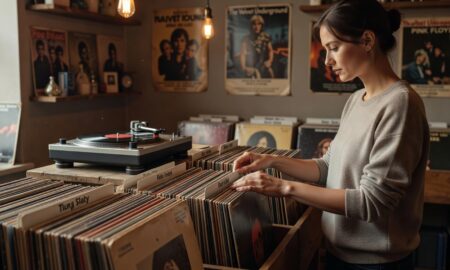
Music-led radio has a natural advantage: listeners choose it because they want a dependable lift in their day. A well-placed advert becomes part of a positive listening experience rather than an interruption in a long discussion or a cluttered social feed.
Familiar songs can also create a powerful setting for a brand message. Someone enjoying a favourite 80s singalong, a 90s classic or a current hit is already engaged emotionally. The advert that follows should respect that feeling. Keep the pace upbeat, the offer straightforward and the message easy to repeat.
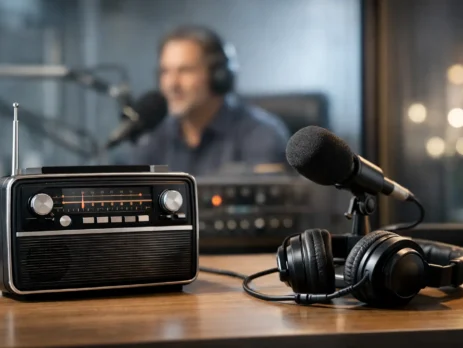
This is where online radio adds useful flexibility. Listeners may tune in from a car, a laptop, a smart speaker or their mobile phone, often across a much wider day than traditional peak-time assumptions suggest. For an advertiser, that creates opportunities to reach people at work, at home and on the move without asking them to change what they are doing.
At Halo FM, the focus on non-stop hits from the 1970s to today is designed for precisely those everyday moments. For advertisers, the value is not simply an advert slot. It is the chance to be heard alongside the feel-good songs people have actively chosen as their soundtrack.
Repetition works when it does not become irritating
Most customers do not act after hearing an unfamiliar business name once. They need time to recognise it, connect it with a need and trust that it is worth trying. Radio helps create that recognition through frequency.
The key is consistency rather than shouting. Use the same business name, core promise, voice and call to action across a campaign. If your first advert says you are the fast local plumbing team, do not make the next one sound like a luxury bathroom showroom unless that connection is immediately clear. Each play should strengthen the previous one.
A short campaign can support a time-sensitive offer, such as a bank holiday sale, open day or seasonal menu. For a business building its name, a longer run is usually more effective. Hearing a message across several weeks lets it become familiar without relying on one perfect moment of attention.
Frequency needs care, of course. A creative that is too busy or too loud will wear thin quickly. The answer is not necessarily fewer plays. Often, it is better writing: one memorable idea, natural wording and a finish that gives the listener a clear next step.
What makes a radio advert effective?
The best radio adverts sound like they were made for real people, not read from a crowded flyer. Listeners cannot rewind a live message in their heads, so clarity wins.
Start with the benefit, not your company history. A listener wants to know what you can do for them: save time, solve a problem, brighten a night out, make a move easier or offer a better deal. Then give them the business name early and again near the end. If they only catch half the advert, they should still know who it was for.
Keep offers simple. One phone number can work for an audience likely to call, while a memorable website name or a prompt to search your business may suit others better. Trying to include every service, every social channel, an address and five prices in 30 seconds usually creates a message nobody can repeat.
Sound matters too. A friendly voice, a recognisable sonic cue or a gentle line of music can make an advert easier to recall. That does not mean every campaign needs a big jingle. It means the tone should match the business. A family restaurant can be warm and inviting; an emergency repair service should sound reassuring and direct; a lively event can turn up the energy.
Give listeners a reason to act now
Urgency is useful when it is genuine. Limited tickets, a seasonal deadline, a new branch opening or a booking window gives a listener a reason not to put the message off. If there is no real deadline, do not invent one. A clear promise is more credible than a forced countdown.
For local businesses, practical details can be just as persuasive. Mention the town or region you serve, especially if local knowledge is part of the appeal. People like hearing that a business understands their area, their routines and what matters to them.
Measuring radio beyond the last click
Radio can be harder to measure than a search advert with an obvious click trail, but that does not make it unmeasurable. It simply calls for sensible tracking and realistic expectations.
Before a campaign starts, decide what success looks like. It could be more branded searches, calls, online bookings, voucher redemptions, footfall, enquiries or a rise in direct website visits. Use a distinct offer code, a dedicated landing page or a simple question at checkout such as, “How did you hear about us?” The method does not need to be complicated to be useful.
Look for movement over the full campaign, not just immediately after one advert airs. Audio often works with other marketing. A listener may hear your name on radio, see a social post later that day and search when they are ready. Giving all credit to the final click can hide the role radio played in creating the recognition in the first place.
It also helps to compare like with like. Run activity for long enough to spot patterns, note the timing of promotions and consider outside factors such as weather, holidays, local events and competitor activity. If calls rise during a campaign, ask whether the enquiry quality rises too. Attention is valuable, but the right customers are the goal.
When radio may not be the first choice
Radio advertising has trade-offs. A new business with no capacity to handle extra enquiries should get its operations ready first. A niche B2B service targeting a handful of decision-makers may get better efficiency from direct outreach. And a complicated product that needs lengthy explanation may need video, a demonstration or detailed web content alongside audio.
Even then, radio can play a supporting role. It can make a specialist name more familiar, add confidence before a sales conversation or bring warmth to a campaign that otherwise feels entirely transactional. The question is not whether radio replaces every other channel. It is whether it has a clear job in your wider marketing plan.
Make the next message easy to remember
Radio advertising is still effective when it earns a place in someone’s routine. Choose a station and audience that fit your customers, give your campaign enough time to be recognised, and create an advert with one bright, believable idea.
Then let the music do what music does best: keep people company. When your message feels just as clear and welcome, it has every chance of being the name they remember when they need you.